
Learning Through Play
At Hummingbirds Child Care, we believe that play is one of the most powerful ways children learn about the world around them. While it may look like simple fun on the surface, play actually helps children develop important cognitive, emotional, and social skills that shape their growth and development.
Young children are naturally curious. They learn by touching, exploring, imagining, and interacting with their surroundings. When children play, they are experimenting, problem solving, and building the foundation for lifelong learning.
What Is Play-Based Learning?
Play-based learning means children are encouraged to learn through activities that spark curiosity and creativity. Instead of sitting at desks for long periods of time, children engage in hands-on experiences that stimulate their imagination and encourage exploration.
At Hummingbirds Child Care, play-based learning includes activities such as:
- Story time and songs during circle time
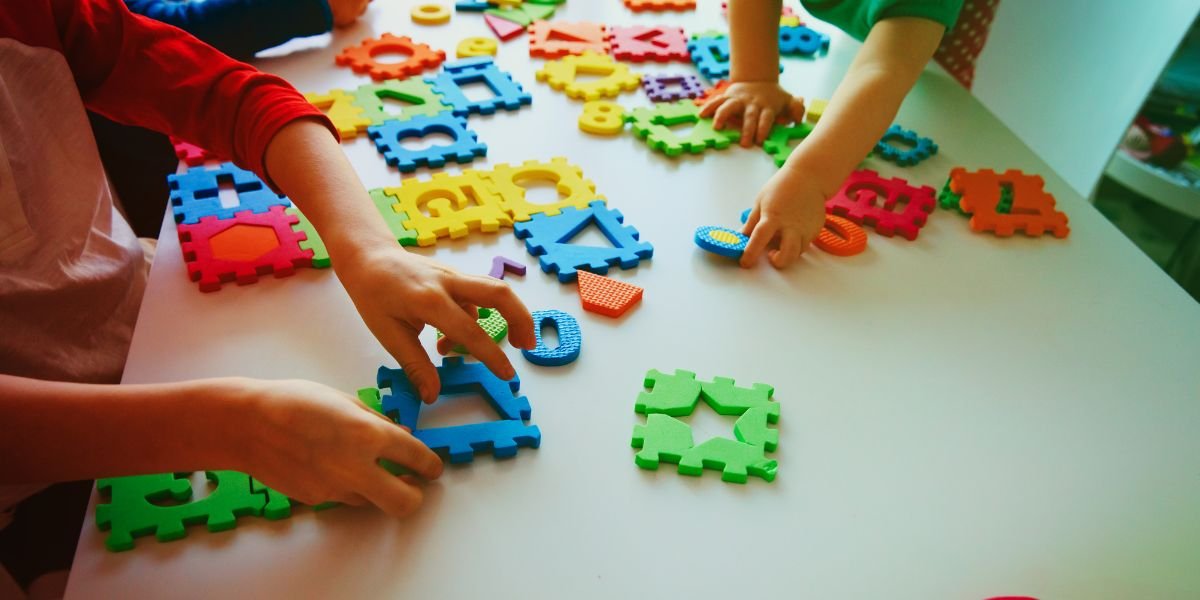
- Building with blocks and puzzles
- Dramatic play and imagination games
- Art and craft projects
- STEM exploration activities
- Outdoor play and nature discovery
Each of these activities helps children develop different skills while still feeling like they are simply having fun.
The Benefits of Play-Based Learning
Play-based learning supports many areas of early childhood development.
Social Development
Children learn how to share, cooperate, and communicate with others during group play activities.
Emotional Confidence
Play allows children to express themselves freely and build self-confidence in a safe environment.
Problem Solving Skills
Whether they are building a tower or solving a puzzle, children learn how to think critically and find solutions.
Creativity and Imagination
Creative play helps children develop ideas, storytelling abilities, and creative thinking.
Creating Lifelong Learners
Learning Through Play
At Hummingbirds Child Care, we believe that play is one of the most powerful ways children learn about the world around them. While it may look like simple fun on the surface, play actually helps children develop important cognitive, emotional, and social skills that shape their growth and development.
Young children are naturally curious. They learn by touching, exploring, imagining, and interacting with their surroundings. When children play, they are experimenting, problem solving, and building the foundation for lifelong learning.
What Is Play-Based Learning?
Play-based learning means children are encouraged to learn through activities that spark curiosity and creativity. Instead of sitting at desks for long periods of time, children engage in hands-on experiences that stimulate their imagination and encourage exploration.
At Hummingbirds Child Care, play-based learning includes activities such as:
- Story time and songs during circle time
- Building with blocks and puzzles
- Dramatic play and imagination games
- Art and craft projects
- STEM exploration activities
- Outdoor play and nature discovery
Each of these activities helps children develop different skills while still feeling like they are simply having fun.
The Benefits of Play-Based Learning
Play-based learning supports many areas of early childhood development.
Social Development
Children learn how to share, cooperate, and communicate with others during group play activities.
Emotional Confidence
Play allows children to express themselves freely and build self-confidence in a safe environment.
Problem Solving Skills
Whether they are building a tower or solving a puzzle, children learn how to think critically and find solutions.
Creativity and Imagination
Creative play helps children develop ideas, storytelling abilities, and creative thinking.
Creating Lifelong Learners
At Hummingbirds Child Care, our goal is to create an environment where children feel safe to explore and discover new things every day. Through play-based learning, children develop the confidence and curiosity that will support them throughout their lives.
When children enjoy learning, they carry that love of discovery with them into school and beyond.